27 August 2026
Doing a Christmas market on a budget
Where the money actually goes at a Christmas market, and which savings are real rather than false economies.
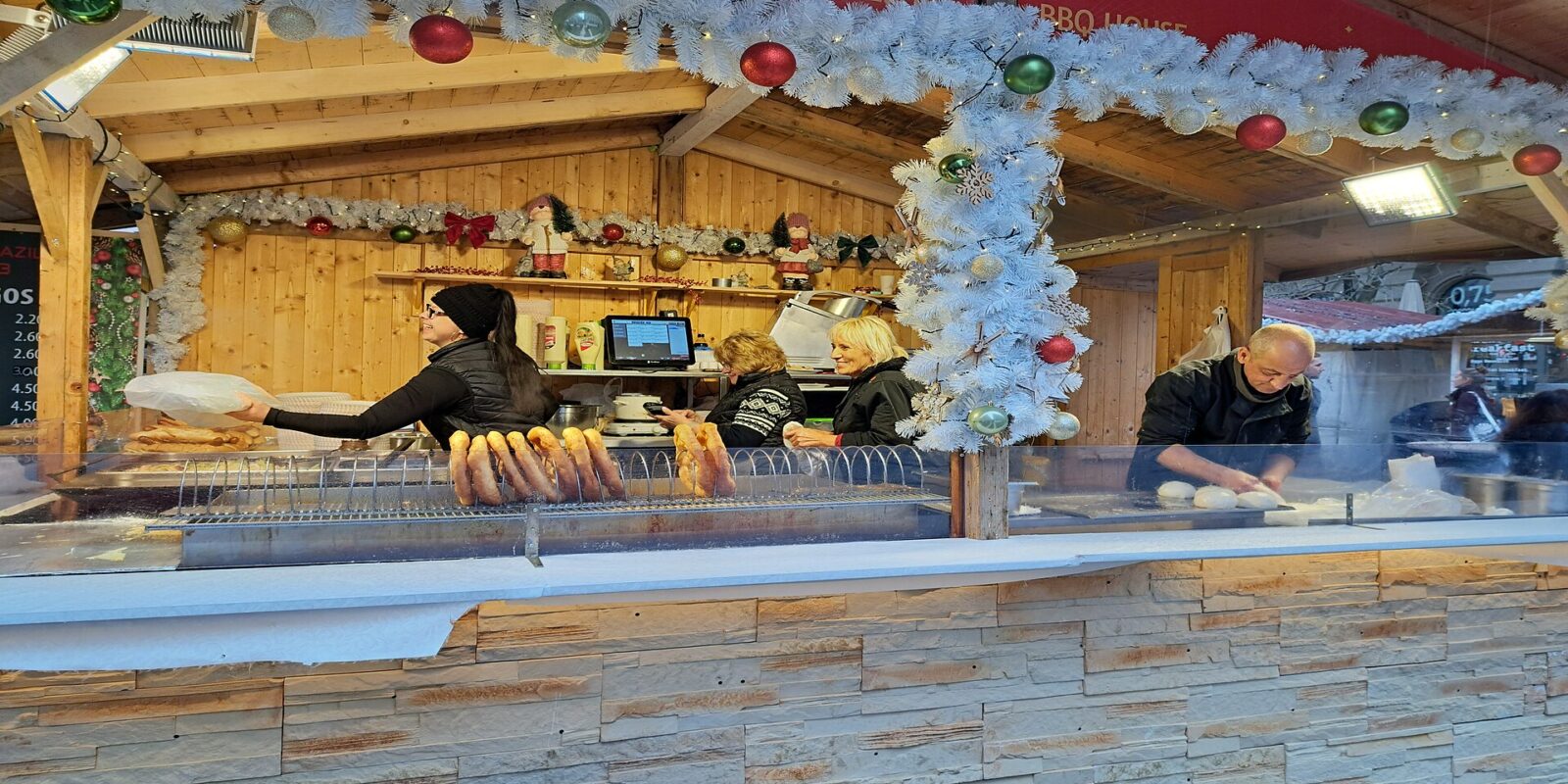
Almost every Christmas market is free to walk into. What costs money is everything you do once you are inside, and it adds up faster than people expect — largely in small cash transactions that never feel like spending.
Where the money goes
In rough order: hot drinks, food, gifts, rides. Drinks are the sleeper cost. Four mulled wines across an afternoon, each with a deposit on the mug, is a meaningful sum, and because you pay for them one at a time in cash it does not register.
The savings that are real
Eat before you go. The single biggest saving. Market food is priced for a captive audience standing in the cold. Have a proper meal first and treat the market food as one deliberate purchase rather than continuous grazing.
Reclaim your mug deposits. If you are not collecting them, hand them back. People routinely walk away from several pounds of refundable deposit without noticing.
Go midweek and early in the season. Not a direct saving at the stalls, but train fares and hotel rates in market cities climb steeply through December, and a market visited in the third week of November costs substantially less to reach than the same market on the Saturday before Christmas.
Choose a free market over a ticketed one. Most are free. The big festival-style events are not — and at ticketed sites the rides are charged on top of admission.
Take a flask. Unglamorous, and it works.
The false economies
Cheap shoes and a thin coat. Being cold ends the visit early, and you will have paid to get there regardless.
Driving to save the train fare. City-centre parking in December, where you can find it, frequently costs more than an advance rail ticket, and market cities close roads.
Skipping the market entirely and buying online. Fair enough if you want the goods. But the point of the thing is standing in a cold square with a hot drink, and that part is free.
Genuinely free markets worth the trip
Nearly all of them, in fact. Bath, York, Chester, Winchester, Newcastle and Cardiff are all free to enter, as are the great European markets in Nuremberg, Vienna and Prague.
A lights switch-on is the best-value Christmas event in Britain by a distance: an afternoon of entertainment, a crowd, fireworks, and no admission at all.
On presents
Market stalls are not cheap, and buying presents there to save money is the wrong reason to go. Buy from them because the thing is handmade and local and you cannot get it elsewhere. If you want value, the markets weighted towards regional producers — Bath, York, Exeter, Cardiff — give you far more of that than the ones dominated by franchised food and imported goods.